How to Identify a Death Cap Mushroom
Dr. MycoTek asks the same questions a mycologist asks — volval sac, ring, gill colour, cap tone, spore print — and walks you through what each feature means. If the features match, the answer is always the same: DO NOT EAT.
Start with a photo. No account needed until you want to save or publish your record.
Live in our atlas
See all →219 Death Cap observations
From the iNaturalist + Mushroom Observer datasets. Peak fruiting in November (78 observations that month, all years combined).
Recently catalogued
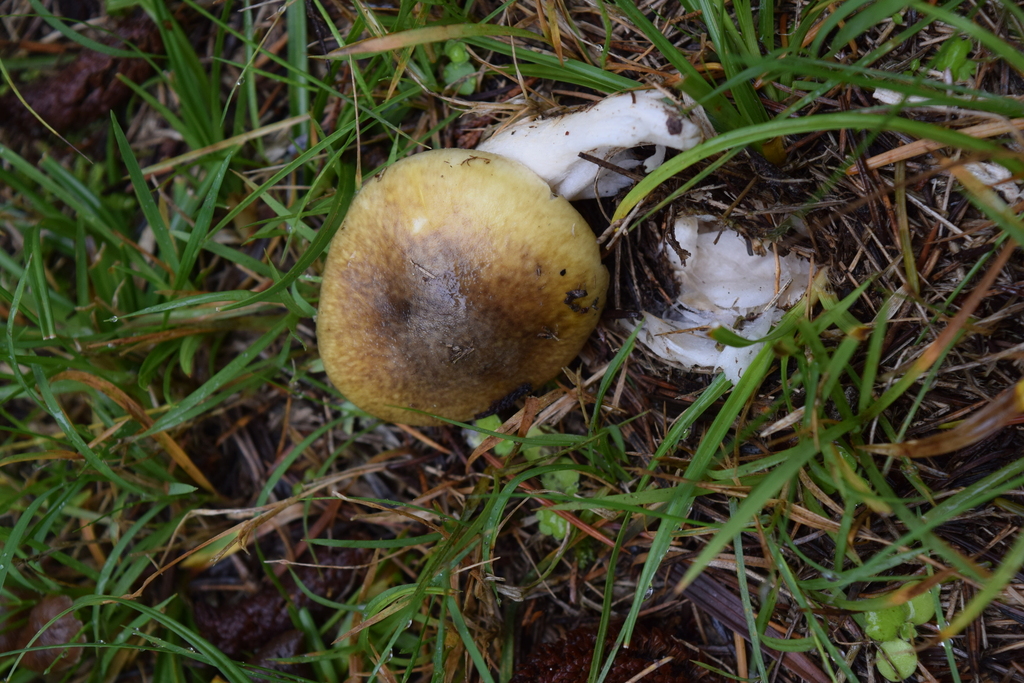
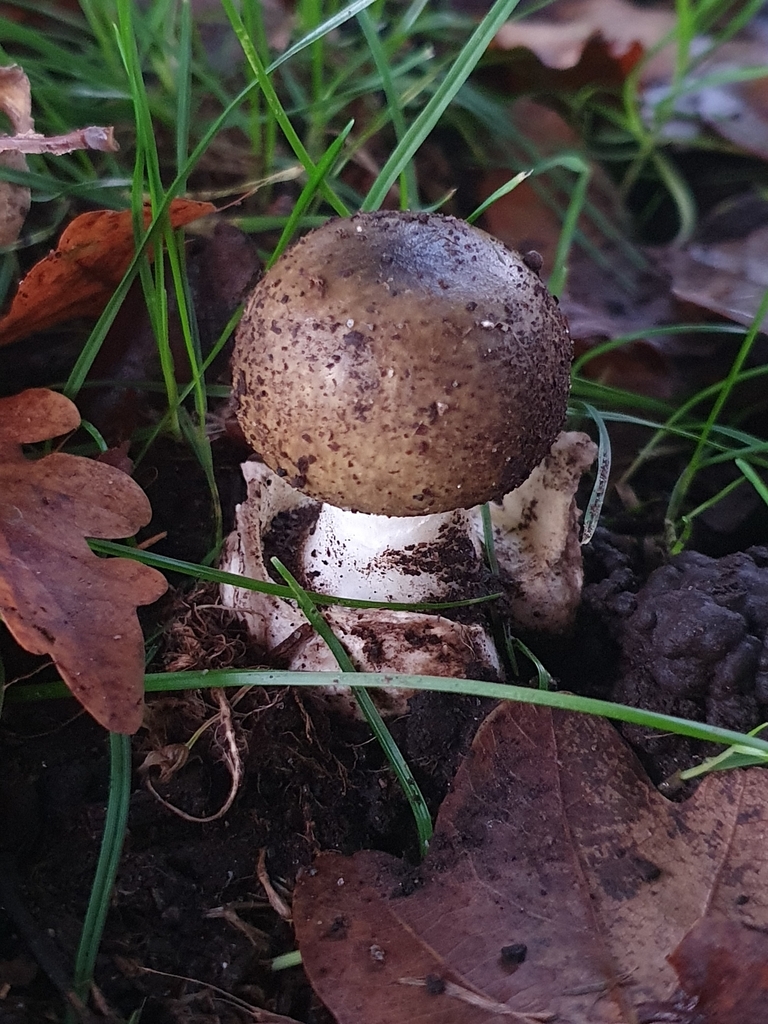
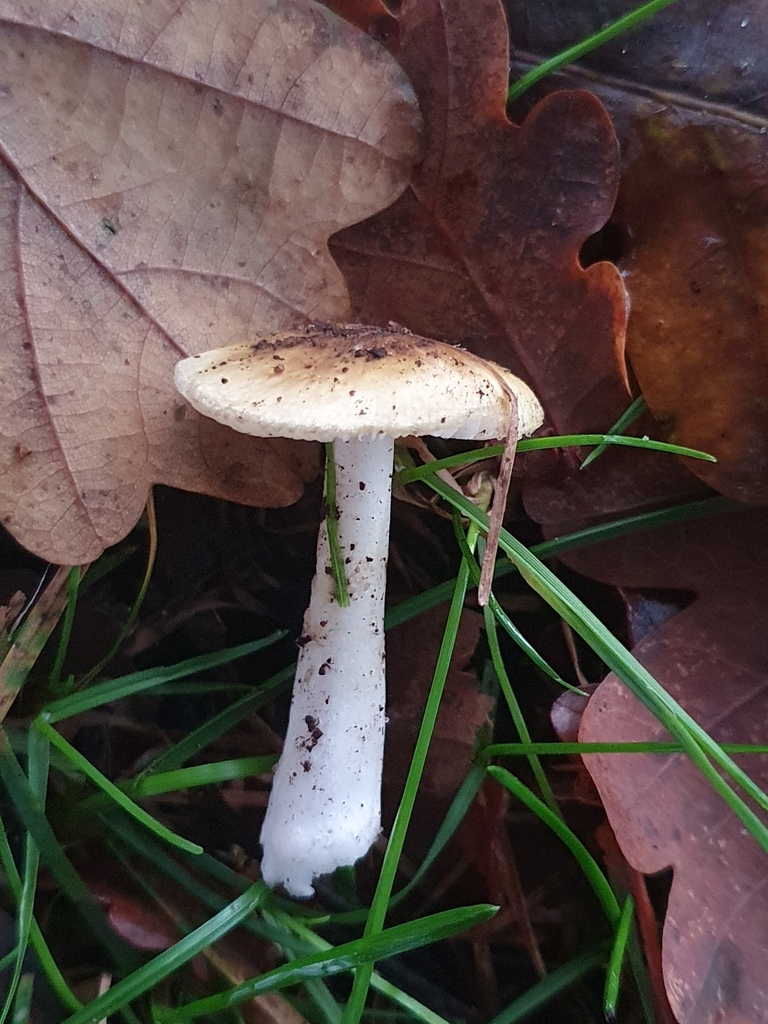
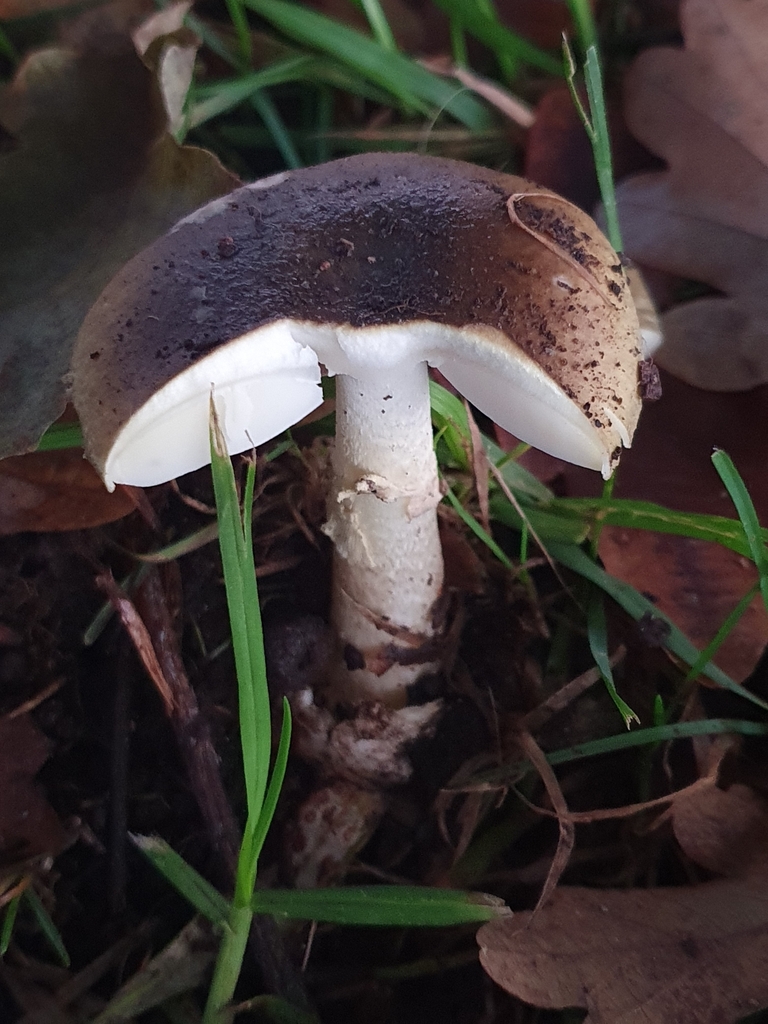
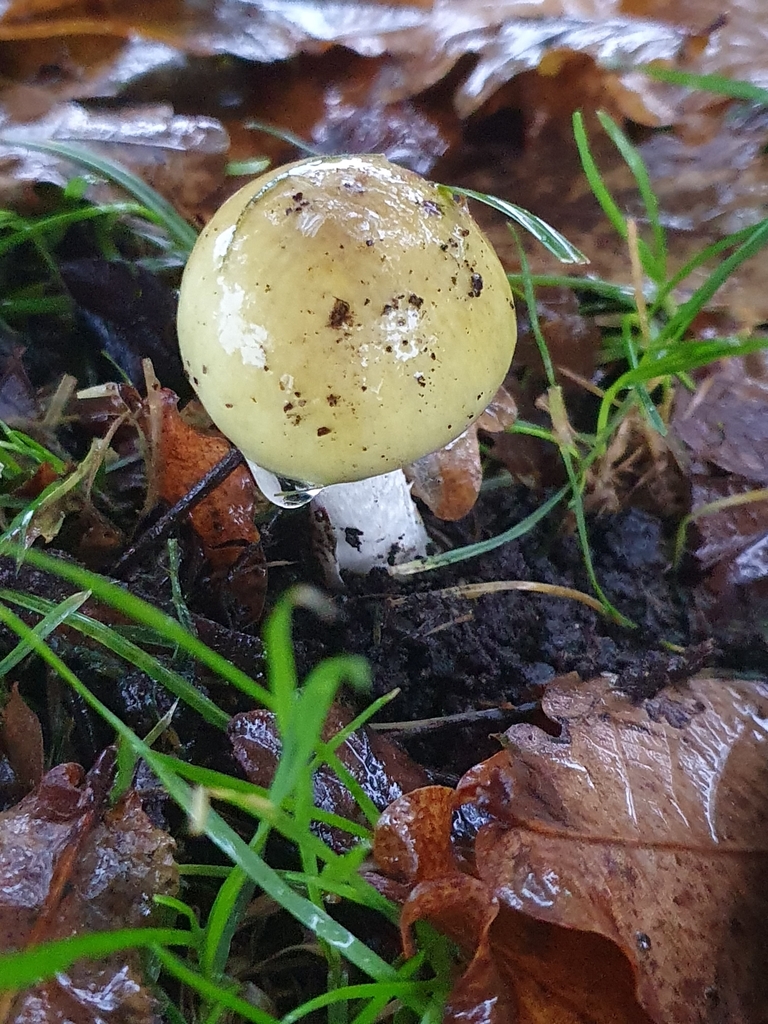
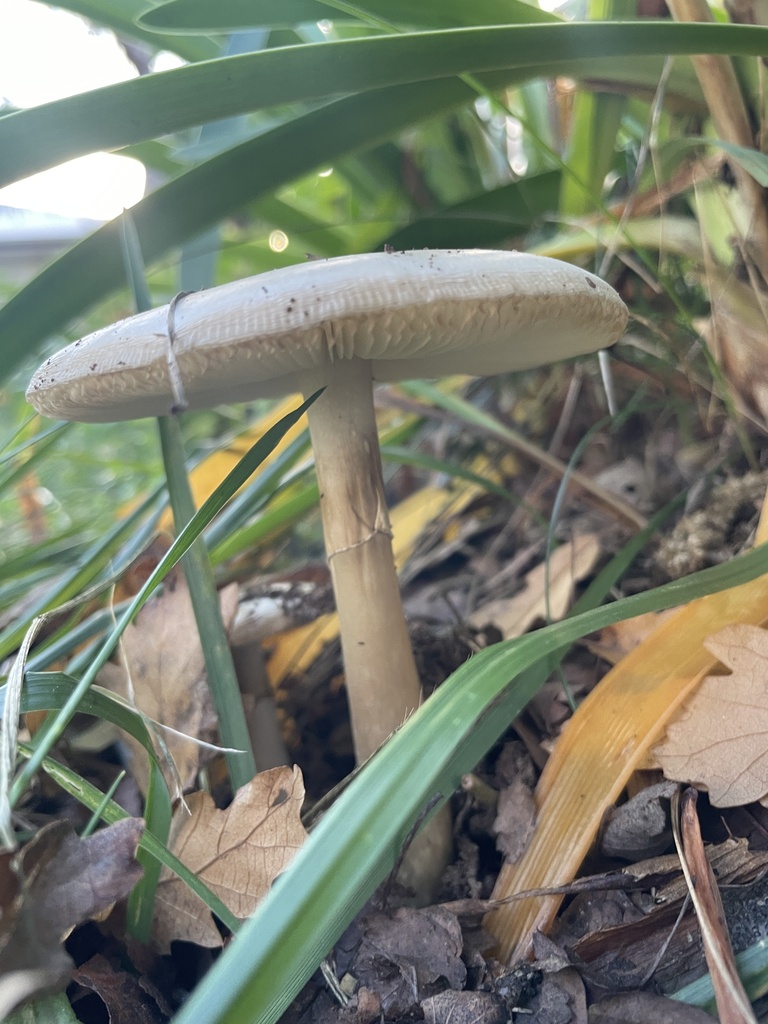
Look-alike comparison · from our atlas
Could be mistaken for each other
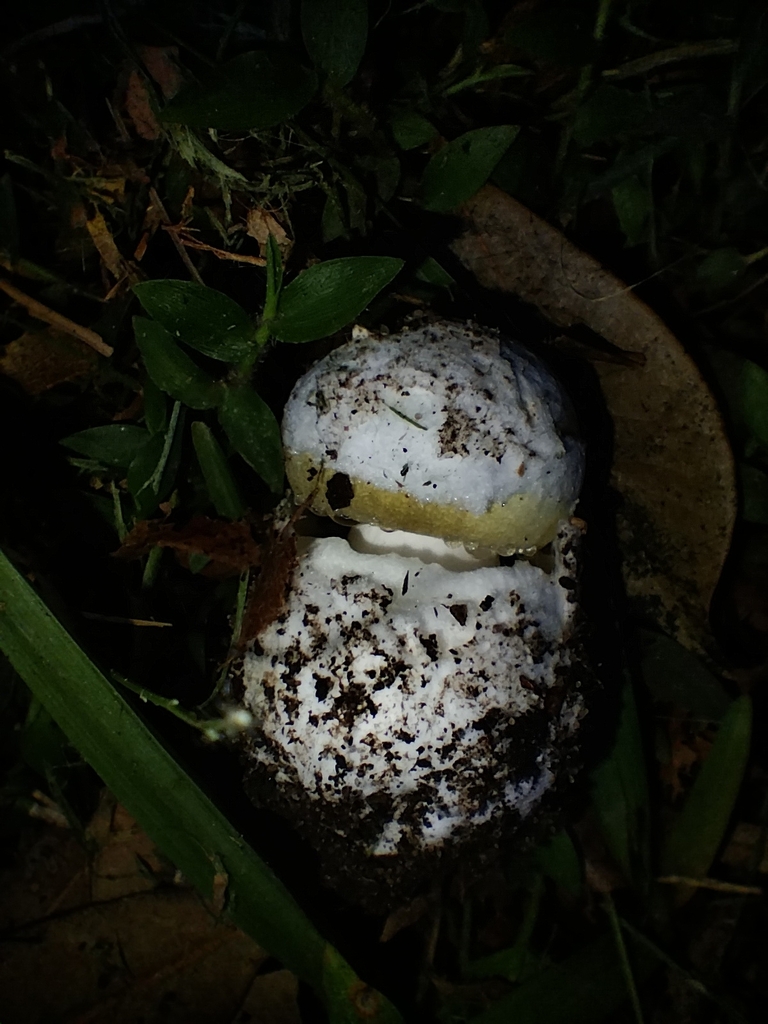
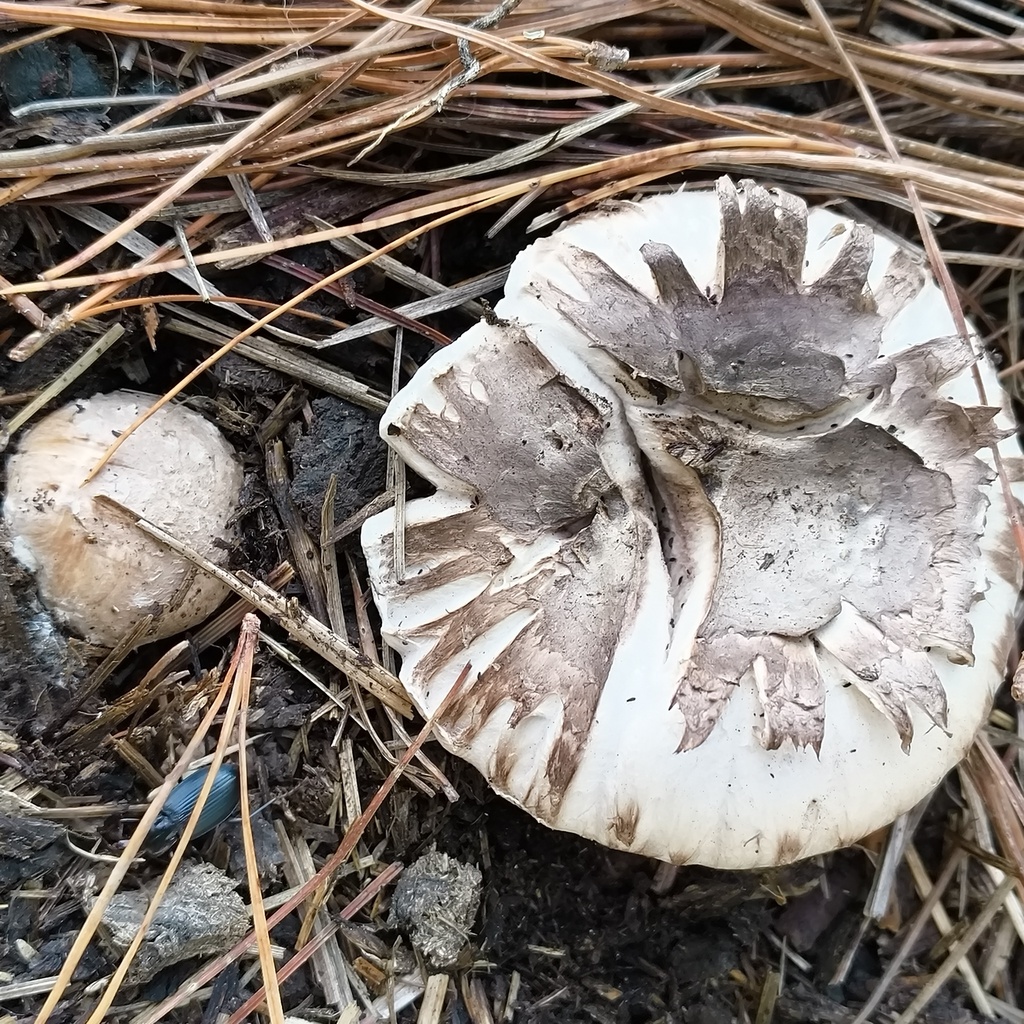
How to tell them apart
Two non-negotiable checks. (1) Spore print: Death Cap is white, Agaricus is chocolate brown. (2) Stem base: dig down — Death Cap has a sack-like volva (cup) at the base. Agaricus never does. Either feature alone settles it. Young Death Caps look exactly like Agaricus buttons; don't trust the cap.
From the community knowledge base
Ask the AI directly →What experienced mycologists say about Death Caps
Excerpts the AI draws from — pulled live from our 79,000-chunk knowledge base. Synthesized for you when you ask the chat; shown here so you can read the source material directly.
How do you identify the death cap mushroom? — The death cap (Amanita phalloides) is **the single deadliest mushroom in the world**, responsible for over 90% of fatal mushroom poisonings globally. Originally native to Europe, it has spread to North America, Australia, and other continents via imported trees. …
Foraging & Wild ID · Deadly & Toxic Species — How do you identify the death cap mushroom? · Shroomery
Species: Amanita phalloides Olivaceous green pileus. White gills and stipe. White saccate volva,
Amanita phalloides · Shroomery
What is the death cap mushroom and why is it so dangerous? — The **death cap (*Amanita phalloides*) is the world's deadliest mushroom**, responsible for over **90% of all fatal mushroom poisonings worldwide.** With an estimated **165,000 monthly searches globally**, it is the most searched mushroom species on earth — a …
Foraging & Wild ID · Deadly & Toxic Species — What is the death cap mushroom and why is it so dangerous? · Shroomery
Or jump into the live tools
© davidwhyte (iNaturalist, cc-by-sa)
Why the Death Cap Is the World's Deadliest Mushroom
Amanita phalloides is responsible for approximately 90 percent of all mushroom-related fatalities worldwide. A single mushroom contains enough amatoxin to kill an adult human. The toxin is not destroyed by cooking, freezing, or drying — there is no preparation method that makes it safe to eat. What makes it especially dangerous is that it tastes pleasant (reportedly mild and mushroomy), shows no immediate symptoms after ingestion, and closely resembles several popular edible species. Unlike many toxic mushrooms that cause immediate nausea and vomiting (which actually helps by expelling the toxin), the Death Cap's delayed symptom onset means the toxins are fully absorbed before the victim realizes anything is wrong.
The Five Features a Mycologist Checks
Mycologists do not identify a Death Cap by colour alone. They work through a systematic checklist. Feature one: the cap colour ranges from greenish-olive to yellowish-green, but can be paler — colour alone is never sufficient. Feature two: white free gills that do not attach to the stem — they remain white throughout the mushroom's entire life, which distinguishes them from Agaricus (which has pink gills that darken). Feature three: a white membranous ring (annulus) hanging on the upper stem, a remnant of the partial veil. Feature four: a bulbous base enclosed in a cup-like volval sac — this is the most important feature and the most frequently missed. It is often buried in soil: always dig up the base to check. Feature five: a white spore print. No common edible mushroom has both a ring and a volval sac — this combination is a strong Amanita indicator.
The Volval Sac: Why You Must Dig Up the Base
The volval sac is the single most important identifying feature and the one most frequently missed. It is a cup-like structure at the very base of the stem — a remnant of the universal veil that enclosed the entire mushroom in its egg stage. It is often partially or fully buried in the soil, so if you pull a mushroom from the ground or cut it at soil level, you will miss this critical feature. Always gently dig around the base of any suspicious mushroom to expose the full stem and volva. The volva appears as a thin, membranous, sac-like cup wrapping around the swollen base. No common edible mushroom has both a ring on the stem AND a volval sac at the base. This combination, when present, is a hard stop.
Geographic Distribution: Increasingly Common in North America
Originally native to Europe, Amanita phalloides has spread to every inhabited continent through the global trade of live trees. In North America, it is most established along the Pacific Coast (from British Columbia to California) and in the northeastern United States, particularly in areas with imported European oaks, chestnuts, and other hardwoods. It forms mycorrhizal relationships with these trees, meaning it grows in partnership with living tree roots. Death Caps are increasingly found in urban parks, university campuses, and residential neighbourhoods — anywhere imported European trees have been planted. They fruit primarily in autumn but can appear at other times depending on rainfall and temperature.
The Timeline of Death Cap Poisoning
The poisoning follows a deceptive and tragic pattern. For the first 6 to 12 hours after ingestion, the victim feels completely fine — this is the most dangerous aspect. Then severe gastrointestinal symptoms begin: violent vomiting, watery diarrhoea, and abdominal cramps lasting 12 to 24 hours. These symptoms then subside, creating a false recovery period lasting another 12 to 24 hours where the victim may feel they are improving. Meanwhile, amatoxins are silently destroying liver cells. At 3 to 5 days post-ingestion, jaundice appears, followed by liver and kidney failure, coagulopathy, multi-organ failure, and potentially death within 6 to 16 days. Early medical intervention — within the first 24 to 36 hours — dramatically improves survival odds.
Why There Is No Antidote
There is no specific, proven antidote for amatoxin poisoning. Treatment is primarily supportive: aggressive IV fluid replacement, activated charcoal to reduce ongoing toxin absorption (if given early enough), liver-protective agents like silibinin and N-acetylcysteine, and in severe cases, liver transplantation. Silibinin has shown promise by blocking the uptake of amatoxins into liver cells, but it must be administered early and is not universally available. The mortality rate for untreated Death Cap poisoning is approximately 50 to 90 percent. With modern intensive care, survival rates improve to roughly 80 to 90 percent if treatment begins within the first 36 hours.
What to Do If Someone May Have Eaten a Death Cap
If there is any suspicion that someone has consumed a Death Cap mushroom, go to the emergency room IMMEDIATELY — do not wait for symptoms. Bring any remaining mushroom material, photographs, or other evidence. Time is the single most important factor in survival. Call Poison Control (1-800-222-1222 in North America) en route to the hospital. At the ER, expect blood tests for liver function markers (AST, ALT) and coagulation studies. Even if the person feels fine, they need to be monitored for at least 24 to 48 hours with serial blood work. If liver enzymes begin rising, aggressive treatment with silibinin and N-acetylcysteine should begin immediately.
Species Commonly Confused With the Death Cap
The Death Cap is most commonly confused with several popular edible species. Paddy straw mushrooms (Volvariella volvacea), widely eaten in Asian cuisine, are the leading cause of Death Cap fatalities among immigrant communities — the two species look similar in the egg and button stages. Young Agaricus species can resemble young Death Caps, though Agaricus have pink-to-brown gills (not white) and lack a volval sac. Green-capped Russula species are sometimes confused with the Death Cap but lack both the ring and the volval sac. When in doubt, apply all five checks: white gills + ring + volval sac + greenish cap + white spore print = DO NOT EAT under any circumstances.
What You Get
See It In Action

Real photos from the community
Commercial-use Creative Commons photos from Mushroom Observer.


Frequently Asked Questions
Related Topics
Put this guide into practice
Keep a useful record while the details are fresh.
Your records stay useful on their own; AI help is optional.
Start with a photo. No account needed until you want to save or publish your record.