Chanterelle vs Jack O'Lantern — How to Tell the Difference
Chanterelles are one of the most prized wild edibles, but they're commonly confused with toxic jack-o'-lantern mushrooms. Learn the key differences that keep foragers safe.
Start with a photo. No account needed until you want to save or publish your record.
Live in our atlas
See all →182 Chanterelle observations
From the iNaturalist + Mushroom Observer datasets. Peak fruiting in November (41 observations that month, all years combined).
Recently catalogued

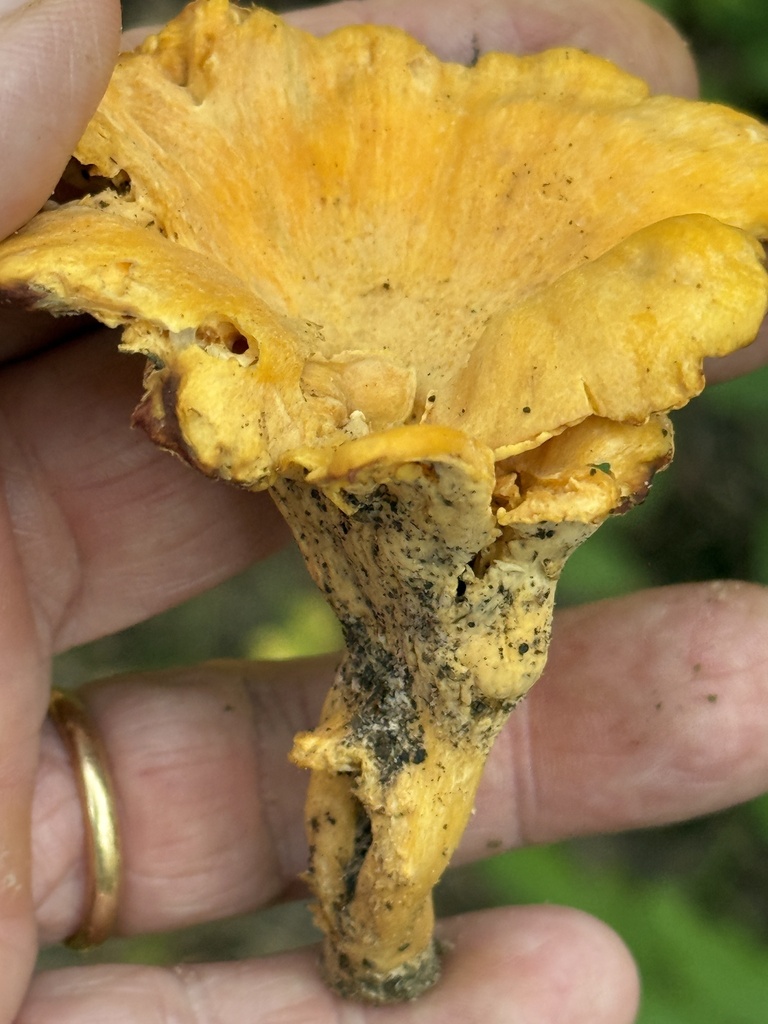
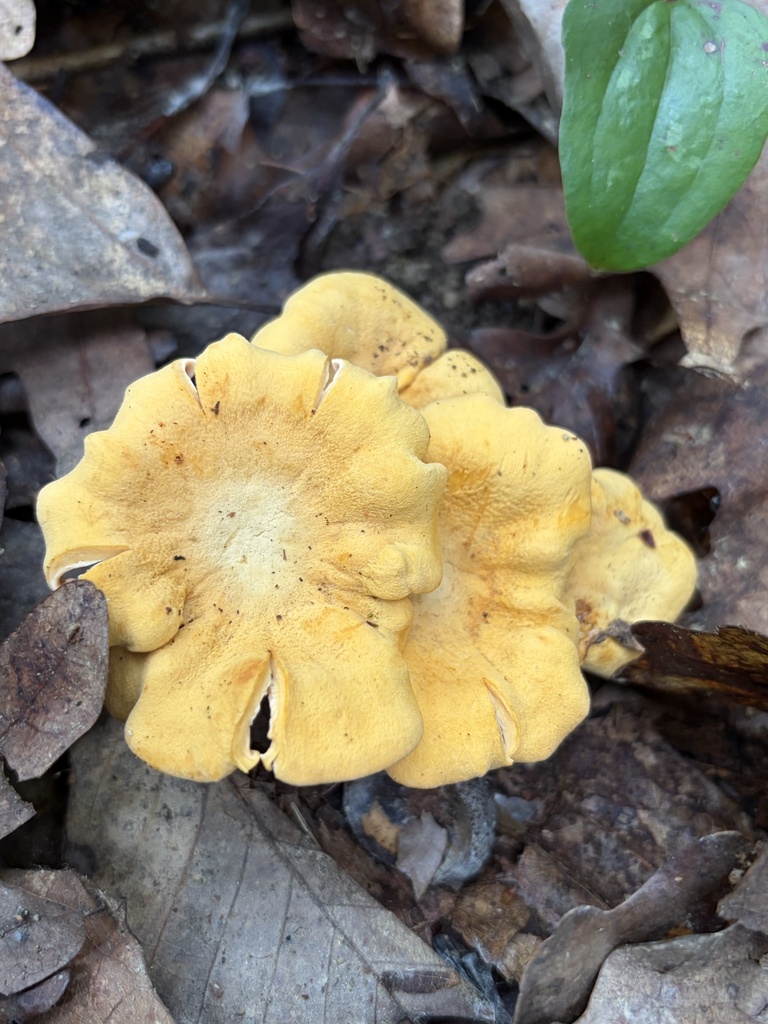
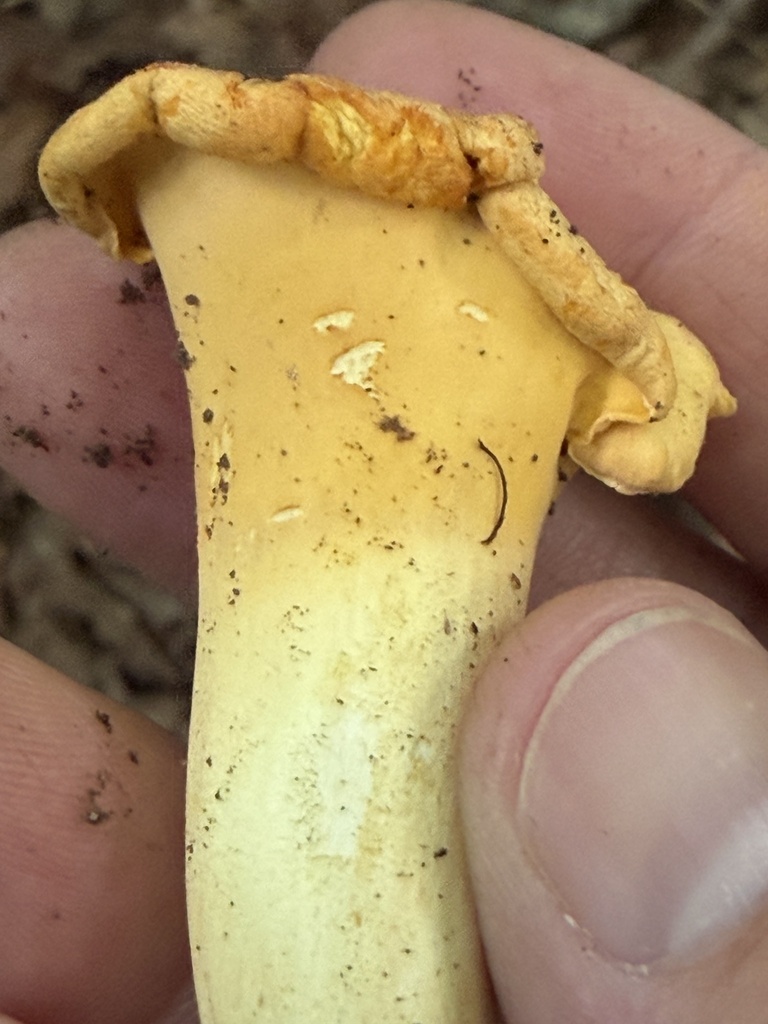
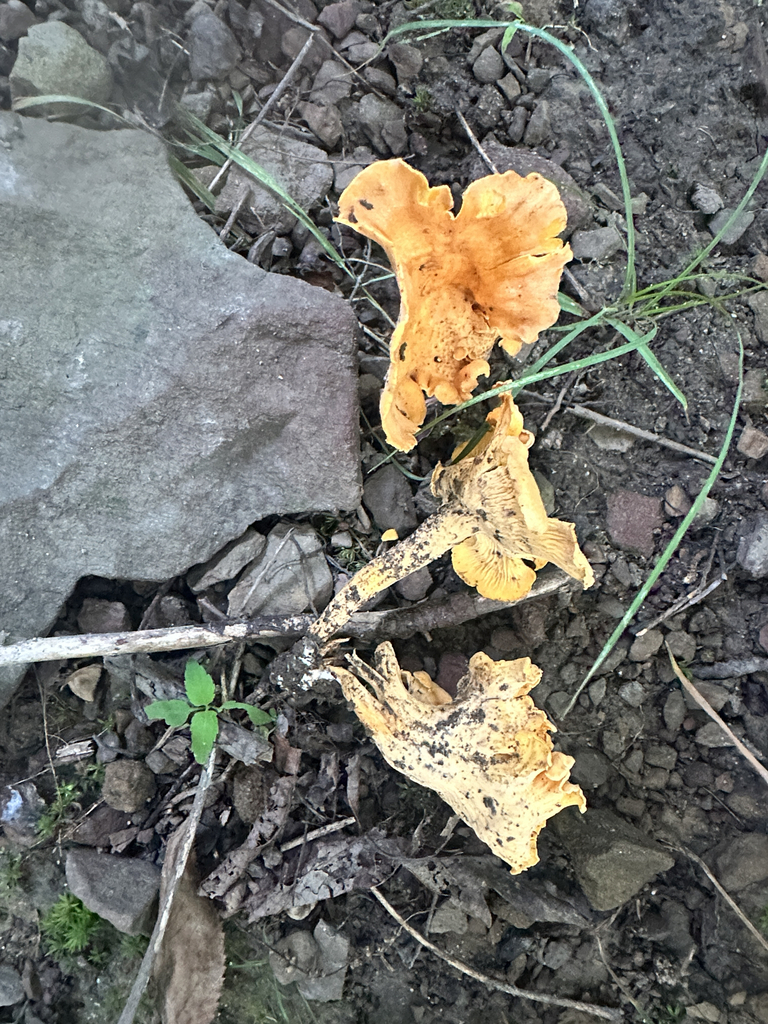
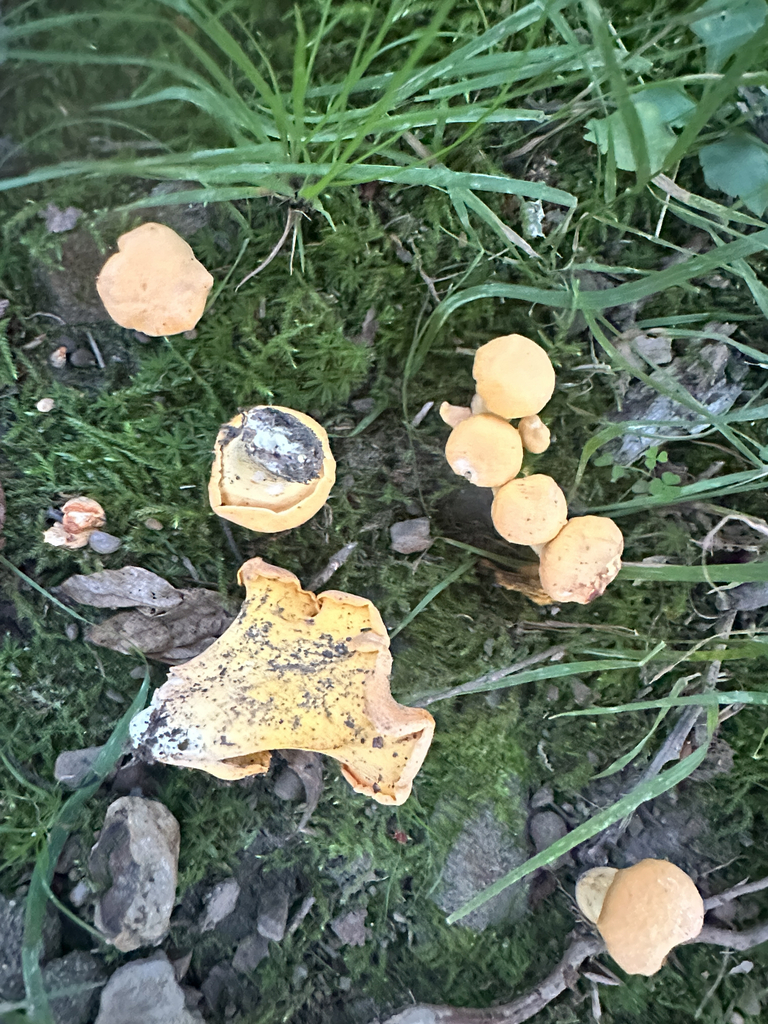
Look-alike comparison · from our atlas
Could be mistaken for each other
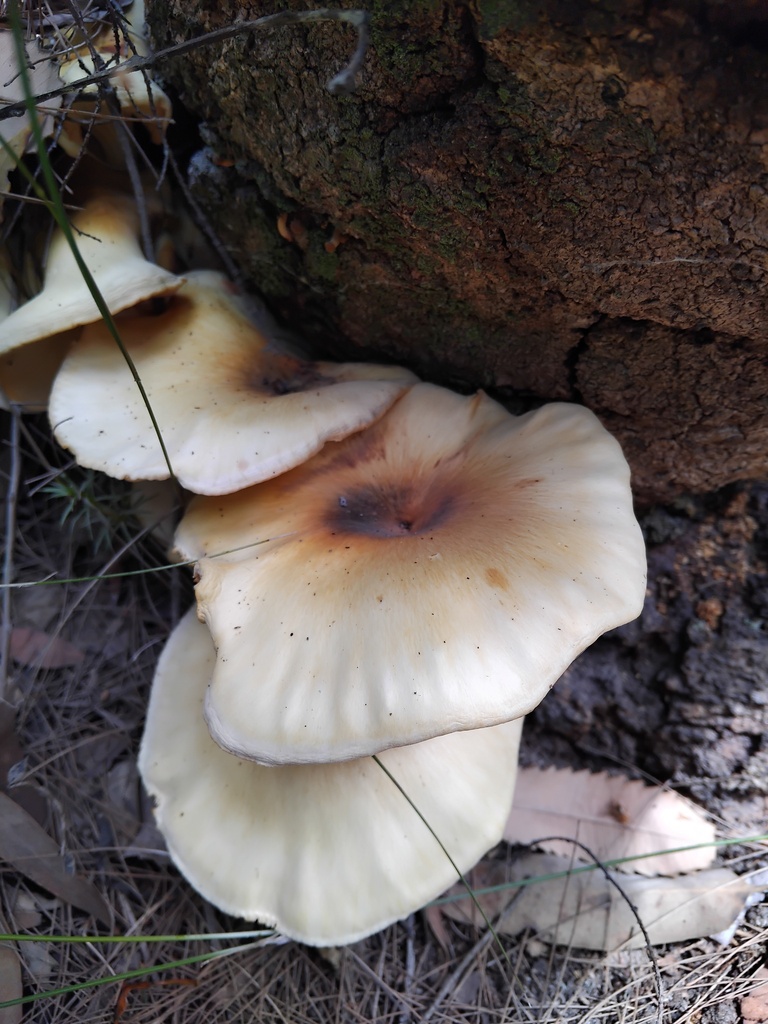
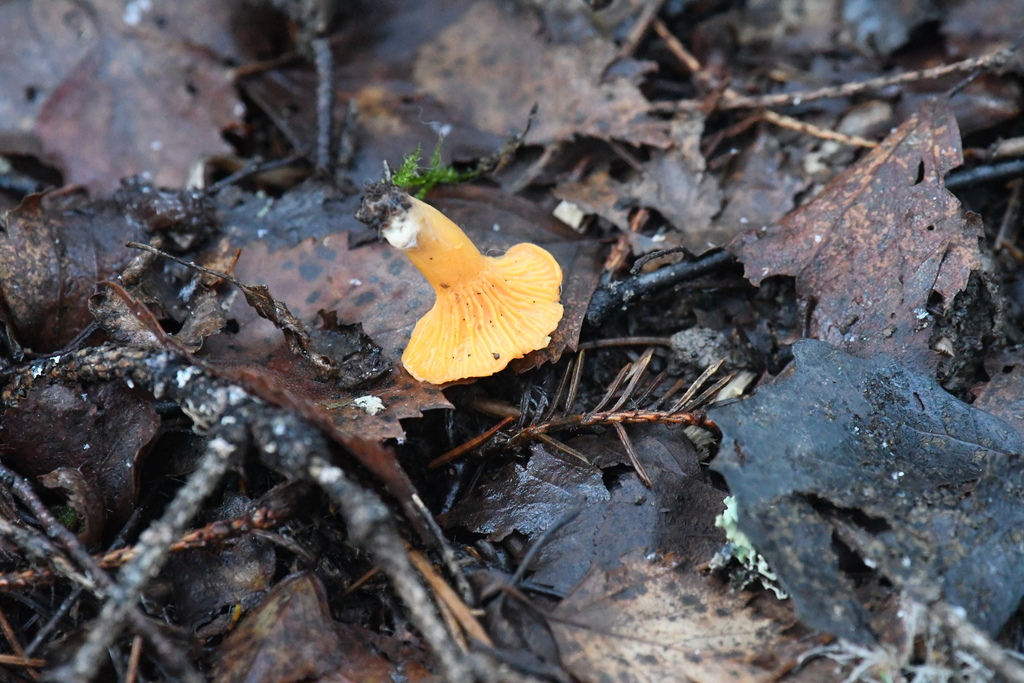
How to tell them apart
Chanterelles have false gills — wavy, blunt-edged ridges that fork. Jack O'Lanterns have true gills — sharp, blade-like, and they grow in clumps on wood (chanterelles grow alone or scattered, from soil). Jack O'Lanterns also glow faintly in the dark when fresh.
From the community knowledge base
Ask the AI directly →What growers + foragers say about chanterelles
Excerpts the AI draws from — pulled live from our 79,000-chunk knowledge base. Synthesized for you when you ask the chat; shown here so you can read the source material directly.
How do you identify and forage chanterelles? — Chanterelles (Cantharellus cibarius and related species) are among the most sought-after wild mushrooms worldwide. **They are golden-yellow, funnel-shaped mushrooms with false gills** — ridges that fork and run down the stem rather than true blade-like gills. Key identifi …
Foraging & Wild ID · Choice Edible Species — How do you identify and forage chanterelles? · Shroomery
How do you identify chanterelle mushrooms? — Chanterelles are among the most recognizable wild mushrooms, but proper identification still requires checking multiple features. **The key identifier is their false gills — blunt, forking ridges that run down the stem** rather than the thin, blade-like true gills found on m …
Foraging & Wild ID · Visual Identification Guide — How do you identify chanterelle mushrooms? · Shroomery
How do you identify jack o'lantern mushrooms? — The jack o'lantern (Omphalotus olearius in eastern North America, O. olivascens in the west) is a **bright orange mushroom commonly confused with chanterelles.** While not deadly, it causes severe gastrointestinal distress — violent vomiting, diarrhea, and cramps that can …
Foraging & Wild ID · Deadly & Toxic Species — How do you identify jack o'lantern mushrooms? · Shroomery
Or jump into the live tools
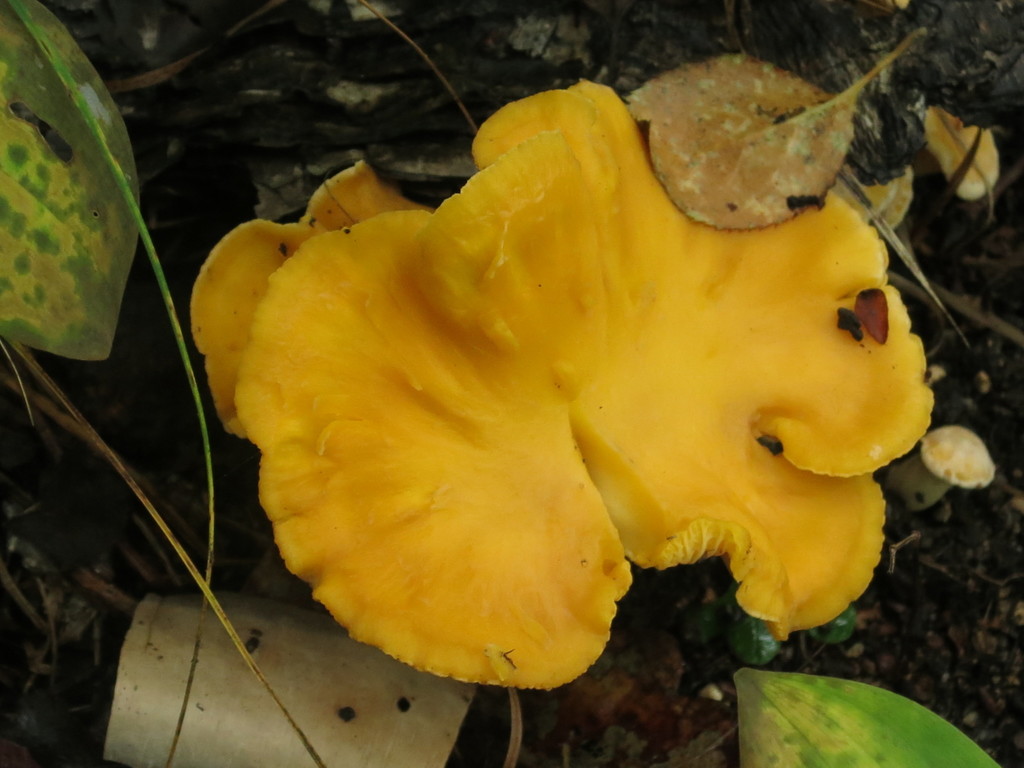
© repta (iNaturalist, cc-by)
Chanterelles vs Jack-o'-Lanterns: The Critical Differences
The confusion between golden chanterelles (Cantharellus cibarius) and jack-o'-lantern mushrooms (Omphalotus olearius) sends foragers to emergency rooms every autumn. The differences, once you know them, are unmistakable. Chanterelles have false gills — blunt, forked ridges that run down the stem like raised veins on the back of a hand. Jack-o'-lanterns have true gills — thin, sharp, blade-like structures you can separate individually with a fingernail. Chanterelles grow individually, scattered across the forest floor from soil. Jack-o'-lanterns grow in dense clusters from wood (often buried, which tricks people into thinking they're growing from soil). Cut one open: chanterelle flesh is white inside, while jack-o'-lantern flesh is orange throughout.
The False Chanterelle: A Subtler Lookalike
While the jack-o'-lantern gets the most attention, the false chanterelle (Hygrophoropsis aurantiaca) is actually a more common source of misidentification. False chanterelles have true gills (not ridges), but they're thinner and more closely spaced than jack-o'-lantern gills, making them easier to mistake for false gills at a glance. The key difference: false chanterelle gills are thin and forked like true gills, while chanterelle ridges are thick, blunt, and waxy-looking. False chanterelles also tend to have a more uniform orange colour and thinner flesh. They're not dangerously toxic like jack-o'-lanterns, but they can cause gastrointestinal upset and taste unpleasant.
Where and When to Find Golden Chanterelles
Golden chanterelles are mycorrhizal fungi — they form symbiotic relationships with tree roots, which means they only grow in forests. In Canada, they fruit from late June through October, depending on your region and the year's rainfall. Look in mixed hardwood forests, particularly near oak, beech, birch, and Douglas fir. They favour mossy ground, gentle slopes with good drainage, and areas where dappled sunlight reaches the forest floor. After a good rain followed by a few warm days is the ideal time to search. Once you find a patch, mark the location — chanterelles are perennial and will fruit in the same spots year after year.
How to Find Chanterelles: A Forager's Strategy
Experienced chanterelle foragers don't walk through the forest staring at the ground. They walk slowly, scanning 3-5 metres ahead, looking for the distinctive golden-apricot colour against the brown and green forest floor. Chanterelles often grow in lines or arcs following the underground root systems of their host trees. When you find one, stop and look carefully in all directions — there are almost always more within a 10-metre radius. Use a knife to cut them at the base rather than pulling them up, which helps preserve the underground mycelium for future fruiting. Carry them in a basket or mesh bag, not plastic, so spores can drop as you walk and seed new patches.
Cooking and Preserving Chanterelles
Chanterelles have a distinctive fruity, peppery flavour that pairs beautifully with eggs, cream sauces, and simple preparations that let their taste shine. Never wash them under running water — they absorb moisture like a sponge. Instead, brush off debris with a soft brush or damp cloth. For cooking, dry-saute them first (no oil or butter) until they release their moisture, then add fat. For preservation, sauteing and freezing is the gold standard. Dehydrated chanterelles lose much of their texture and become rubbery, though they work well rehydrated in soups and sauces.
Why Chanterelles Are One of the Safest Beginner Foraging Species
Chanterelles are often recommended as a beginner's foraging mushroom for good reason: their combination of distinctive features makes them relatively easy to identify with confidence. The false gills, individual growth habit, white interior flesh, fruity apricot-like smell, and specific woodland habitat together create a profile that's hard to confuse with anything dangerous once you've studied the differences. That said, 'relatively easy' does not mean 'foolproof.' Always verify all identification features, not just one or two, and never eat a wild mushroom you're not 100% certain about.
Other Cantharellus Species Worth Knowing
Beyond the classic golden chanterelle, several other Cantharellus species are worth learning. Cinnabar chanterelles (Cantharellus cinnabarinus) are small, bright reddish-orange, and excellent eating. Yellowfoot chanterelles (Craterellus tubaeformis) are smaller with brown caps and yellow stems — they fruit later in the season and are outstanding for drying. Smooth chanterelles (Cantharellus lateritius) have smoother caps with less prominent ridges. Black trumpets (Craterellus cornucopioides), while technically a different genus, are closely related and considered one of the finest wild edibles. All share the same mycorrhizal habitat as golden chanterelles.
How Dr. MycoTek Helps With Chanterelle Identification
Dr. MycoTek can walk you through chanterelle identification step by step, including photo-based analysis of your finds. Describe what you're seeing — or upload a photo with a Pro or Platinum account — and get an assessment of the key features: gill structure, growth pattern, flesh colour, and habitat context. The AI won't tell you a mushroom is safe to eat based solely on a photo (no responsible resource will), but it will highlight which features match and which need closer examination, helping you build real identification skills.
What You Get
See It In Action

Real photos from the community
Commercial-use Creative Commons photos from Mushroom Observer.


Frequently Asked Questions
Related Topics
Put this guide into practice
Keep a useful record while the details are fresh.
Your records stay useful on their own; AI help is optional.
Start with a photo. No account needed until you want to save or publish your record.