Why Are My Mushrooms Not Pinning?
Your substrate appears colonized but nothing is happening. Compare time, species, substrate condition, moisture, fresh air, temperature, light and initiation history before changing the grow.
Start with a photo. No account needed until you want to save or publish your record.
Or jump into the live tools
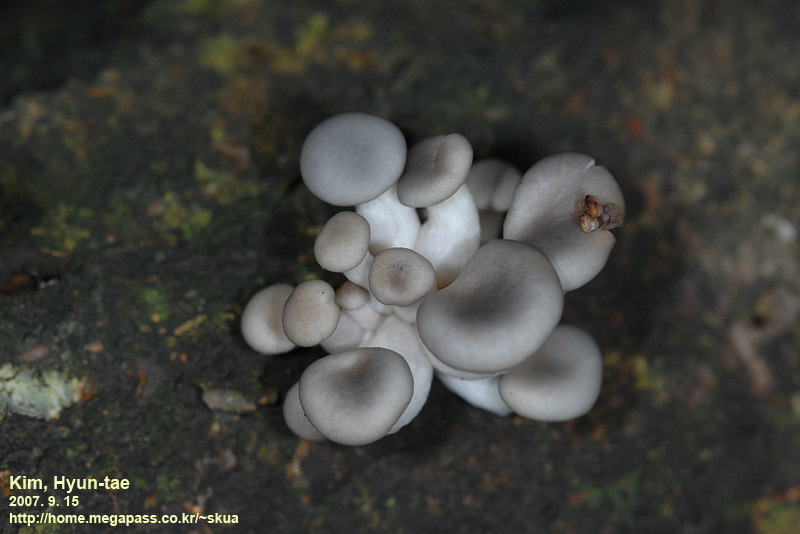
© pintail (iNaturalist, cc-by)
The 5 Main Causes of No Pinning
When a substrate does not produce pins, review several possibilities rather than assuming one environmental cause: whether colonization is actually complete, species and strain, substrate condition, moisture, fresh air, temperature, light, initiation method, contamination and elapsed time. The relevant combination varies by species and cultivation method, so record what you observed and change one factor at a time where practical.
How to Investigate a Stalled Grow
Check the culture supplier's fruiting guidance, then document substrate colonization, time since fruiting conditions began, temperature, moisture, airflow and light. Place suitable sensors near the crop and note their limitations. Morphology such as aerial growth can support an air-exchange hypothesis but does not prove it. Change one factor at a time, protect the substrate from drying and compare the response over time.
Humidity: The Number One Pinning Killer
Moisture is important during initiation, but a room reading alone does not describe the substrate surface or prove why a grow stalled. Cornell notes that humidity is especially important during the first days after initiation and that additional fresh air can reduce humidity. Observe surface condition, verify the sensor location and avoid both drying and persistent pooling. Choose any chamber or humidification change for the specific species and setup, then document the response.
Fresh Air Exchange and the Role of CO2
During colonization, high CO2 levels are acceptable and even beneficial. But when you transition to fruiting conditions, mushrooms need fresh air. Elevated CO2 (above approximately 800 to 1000 ppm) signals to the mycelium that it is still underground and should keep growing vegetatively rather than producing fruiting bodies. This is one of the most commonly overlooked pinning triggers. Signs of insufficient FAE include long, spindly stems with small caps, fuzzy white growth at the base of developing pins, and a stale or sour smell. Improve FAE by fanning your fruiting chamber 2 to 3 times daily, adding more holes, or using a small computer fan on a timer. The key is balancing FAE with humidity — too much air exchange can dry out the substrate.
The Role of Evaporation in Triggering Pins
One of the lesser-known pinning triggers is evaporation from the substrate surface. Many species, particularly oyster mushrooms, use the evaporation rate at the surface as a signal to initiate pinning. This is why a slight breeze or fan across the surface can trigger pinning even when other conditions were already correct. The mechanism works because evaporation creates a microclimate change at the surface — a brief drop in temperature and a shift in moisture gradient — that the mycelium interprets as being exposed to open air. Misting followed by fanning can create this evaporative trigger artificially. However, do not let the surface dry out completely — the goal is gentle, intermittent evaporation, not desiccation.
Cold Shock Technique
Some species require a significant temperature drop to initiate fruiting. This is most pronounced with shiitake (which needs a 10 to 15 degree Celsius drop for 12 to 24 hours), but many other species also benefit from a cold shock. Place the colonized substrate in a refrigerator (2 to 7 degrees Celsius) for 12 to 24 hours, then return it to fruiting temperature. For shiitake, follow the cold shock with a 12 to 24 hour cold water soak. Oyster mushrooms can benefit from an overnight temperature drop to 10 to 13 degrees Celsius. Lion's mane is less dependent on cold shock but can be triggered by a drop to 15 degrees. Cold shocking mimics the natural temperature fluctuations of autumn, which is when many temperate species fruit in the wild.
What Primordia Look Like When They First Form
Knowing what to look for prevents premature troubleshooting. Primordia — the very first visible stage of mushroom pins — look different for each species. Oyster mushroom primordia appear as tiny clusters of white or grey bumps, often near holes in the bag or along the edges of the substrate. Shiitake primordia look like small raised bumps or blisters forming under the brown skin of the block. Lion's mane primordia appear as a dense white fuzzy mass that gradually develops visible tooth-like spines. Reishi primordia are distinctive red-orange knobs. These initial formations can take 3 to 7 days to develop into recognizable pins. During this critical period, maintain stable conditions and avoid handling or moving the substrate.
Common Mistakes That Kill Pins Before They Develop
Even after primordia form, several common mistakes can cause them to abort. Misting directly onto young pins with a coarse spray can damage and kill them — use a fine mist sprayer and spray above, not at, the pins. Sudden environmental changes (moving the substrate to a different room, opening a window, turning off a humidifier overnight) can shock developing pins and cause mass abortion. Touching or handling pins is another common cause of damage. Contamination that was not visible during colonization can emerge and overrun pins. Finally, harvesting too aggressively from one part of a cluster while pins are still developing elsewhere can damage the connected mycelium network and abort the remaining pins.
Sources and further reading
What You Get
See It In Action

Real photos from the community
Commercial-use Creative Commons photos from Mushroom Observer.


Frequently Asked Questions
Related Topics
Put this guide into practice
Keep a useful record while the details are fresh.
Your records stay useful on their own; AI help is optional.
Start with a photo. No account needed until you want to save or publish your record.