Shiitake Mushrooms Not Pinning on Block
Shiitake blocks have a unique lifecycle that trips up most growers — they need a browning stage and a cold shock before they'll fruit. Dr. MycoTek walks you through the process so you stop waiting and start harvesting.
Start with a photo. No account needed until you want to save or publish your record.
Or jump into the live tools
© pintail (iNaturalist, cc-by)
The Unique Lifecycle of Shiitake Cultivation
Shiitake (Lentinula edodes) follows a lifecycle fundamentally different from every other commonly cultivated gourmet mushroom. After full colonization of the substrate, shiitake requires a maturation period called browning or popcorning before it is ready to fruit. During this stage, the outer mycelium develops a thick, leathery brown skin that serves as a protective barrier against contamination and desiccation. This browning stage takes 2 to 4 weeks after full colonization and is often mistaken for contamination by inexperienced growers. Only after the block has browned sufficiently (70 to 80 percent of the surface) is it ready for the next step: a cold shock to trigger pinning. Skipping or rushing this browning stage is the number one cause of shiitake fruiting failure.
The Browning (Popcorning) Stage Explained
After the shiitake mycelium has fully colonized the substrate (the entire block appears uniformly white), leave it in the sealed bag at room temperature (18 to 24 degrees Celsius or 65 to 75 degrees Fahrenheit) for an additional 2 to 4 weeks. During this time, the surface mycelium begins developing brown patches that gradually expand and merge. The texture becomes firm and leathery, and the block surface develops a bumpy appearance sometimes described as popcorn-like. The block will also firm up considerably and may shrink slightly away from the bag walls. Do not open the bag during this period — the sealed environment is important for proper skin formation. The block is ready for fruiting when approximately 70 to 80 percent of the surface is brown with some white patches remaining. A fully white block or a block with only a few brown spots is not yet mature enough.
Cold Shock Protocol for Shiitake
The cold shock is the critical trigger that initiates shiitake pinning, and getting it right makes the difference between a productive block and one that sits indefinitely without fruiting. Remove the matured (browned) block from its bag and fully submerge it in cold water — ideally 2 to 7 degrees Celsius (35 to 45 degrees Fahrenheit). Use ice water or refrigerator-chilled water in a clean bucket or storage bin, and weigh down the block with a plate or water-filled jar to keep it submerged. Soak for 12 to 24 hours. This cold shock mimics the autumn rains that trigger wild shiitake fruiting — a dramatic temperature drop combined with rehydration. After soaking, drain the block thoroughly and place it in fruiting conditions: 15 to 21 degrees Celsius (59 to 70 degrees Fahrenheit), 80 to 90 percent humidity, indirect light, and moderate fresh air exchange. Pins typically appear within 5 to 10 days.
Shiitake Substrate and Block Preparation
Shiitake is a hardwood-dependent species and will not grow on straw, coco coir, or other soft substrates that work for oyster mushrooms. The standard substrate for indoor shiitake blocks is supplemented hardwood sawdust: 80 to 85 percent hardwood fuel pellets (oak and maple are ideal) with 15 to 20 percent wheat bran or rice bran by dry weight, plus 2 percent gypsum. Hydrate to 60 to 65 percent moisture content and sterilize at 15 PSI for 2.5 hours. Shiitake can also be grown on Masters Mix but the soy hull component accelerates colonization at the expense of slightly reduced fruiting body quality. The classic supplemented hardwood formula produces denser, more flavourful shiitake. Spawn rate of 10 to 15 percent grain spawn is standard. Colonization takes 4 to 8 weeks at 21 to 24 degrees Celsius — significantly slower than oyster mushrooms.
Donko vs. Koshin: Understanding Cap Quality
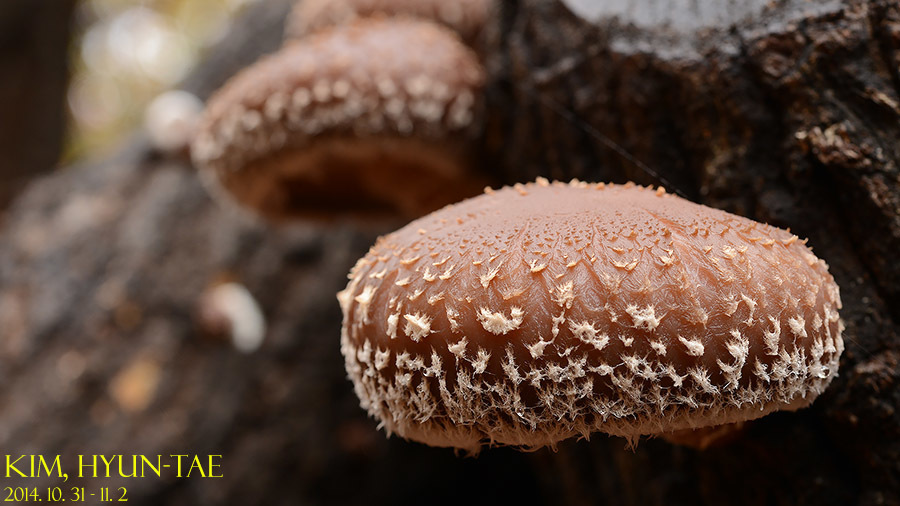
Shiitake cap quality is largely determined by environmental conditions during fruiting, and growers can influence the type of caps they produce. Donko-style shiitake have thick, cracked caps with deep fissures in the surface — these are considered premium grade in Japanese cuisine and command higher prices. They develop when shiitake fruit in cool (13 to 16 degrees Celsius), dry (60 to 70 percent humidity) conditions with good air movement, which causes the cap surface to dry and crack as the mushroom expands. Koshin-style shiitake have smooth, flat, thin caps and are produced in warmer (18 to 21 degrees Celsius), more humid (80 to 90 percent) conditions. Most home growers produce koshin-style by default because they maintain high humidity. To produce donko, reduce humidity during the cap expansion phase and keep temperatures at the cooler end of the range.
Multiple Flushes and Resting Periods
Shiitake blocks can produce 4 to 6 flushes over 3 to 6 months with proper management, making them one of the longest-producing gourmet mushrooms per block. After each flush harvest, the block needs a resting period of 2 to 3 weeks at room temperature (18 to 24 degrees Celsius) to allow the mycelium to recover and accumulate nutrients for the next fruiting. During this rest, keep the block out of direct light and do not mist it — some surface drying is normal and beneficial. After the resting period, cold shock the block again by soaking in cold water for 12 to 24 hours. Each successive flush typically produces 60 to 80 percent of the previous flush's weight. Some growers slap or drop the block from waist height onto a hard surface before cold shocking — this physical shock can help break dormancy and trigger more uniform pinning.
Outdoor Log Cultivation
Shiitake is also exceptionally well-suited to outdoor log cultivation, which is the traditional method used in East Asia for centuries. Fresh-cut hardwood logs (oak, maple, beech, or birch — avoid conifers) with a diameter of 10 to 15 centimetres are drilled with holes every 15 centimetres in a diamond pattern, filled with shiitake plug spawn or sawdust spawn, and sealed with food-grade wax. The logs are stacked in a shaded, humid forest location and left to colonize for 6 to 18 months. Once colonized, the logs can fruit naturally with autumn rains or be triggered by soaking in cold water for 24 hours. A single log can produce shiitake mushrooms for 3 to 7 years depending on the wood species and diameter. Log-grown shiitake are prized for their superior flavour and texture compared to indoor block cultivation.
Common Shiitake Problems and Solutions
Beyond the browning and cold shock issues, shiitake growers encounter several specific problems. Green mold (Trichoderma) contamination is the most common — shiitake's slow colonization speed leaves it vulnerable to faster-growing molds, especially in supplemented substrates. Prevention includes high spawn rates, proper sterilization, and clean technique during inoculation. Soft or mushy blocks indicate excess moisture either from over-hydration during preparation or inadequate drainage after cold soaking. Aborted pins (small pins that brown and shrivel) usually indicate temperature fluctuations during the critical first 7 days after cold shock — maintain stable conditions and avoid moving the block during this period. Brown, leathery caps without gill development indicate the fruiting body dried out before maturing — increase humidity or mist more frequently.
What You Get
See It In Action

Real photos from the community
Commercial-use Creative Commons photos from Mushroom Observer.


Frequently Asked Questions
Related Topics
Put this guide into practice
Keep a useful record while the details are fresh.
Your records stay useful on their own; AI help is optional.
Start with a photo. No account needed until you want to save or publish your record.