Troubleshooting Oyster Mushroom Problems
Oyster mushrooms can be approachable to grow, but variety, temperature, moisture and fresh air interact. Record the evidence and compare changes instead of relying on a one-photo diagnosis.
Start with a photo. No account needed until you want to save or publish your record.
Live in our atlas
See all →502 Oyster mushroom observations
From the iNaturalist + Mushroom Observer datasets. Peak fruiting in December (94 observations that month, all years combined).
Recently catalogued



Cultivars in our atlas
All Pleurotus →Oyster cultivars to consider growing
Live observation counts from the iNaturalist + Mushroom Observer datasets.
From the community knowledge base
Ask the AI directly →What oyster growers say works
Excerpts the AI draws from — pulled live from our 79,000-chunk knowledge base. Synthesized for you when you ask the chat; shown here so you can read the source material directly.
stream runs out, its too wet. You'll either need to add dry verm to soak it up, squeeze it all out, or start over. Its very easy to add more water, but very difficult to remove it. So now that you have learned how to prepare a coconut coir substrate, you mix your clean spawn with it and put it all together into the tub …
[Contam] The Hitchhiker's Guide to the Shroomery · Shroomery
Or jump into the live tools
© pintail (iNaturalist, cc-by)
Understanding Oyster Mushroom Varieties and Their Differences
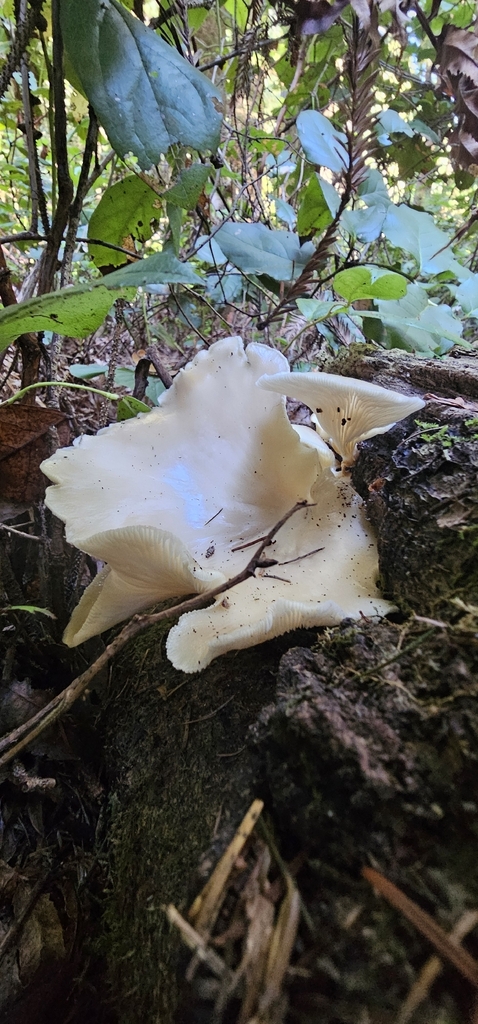
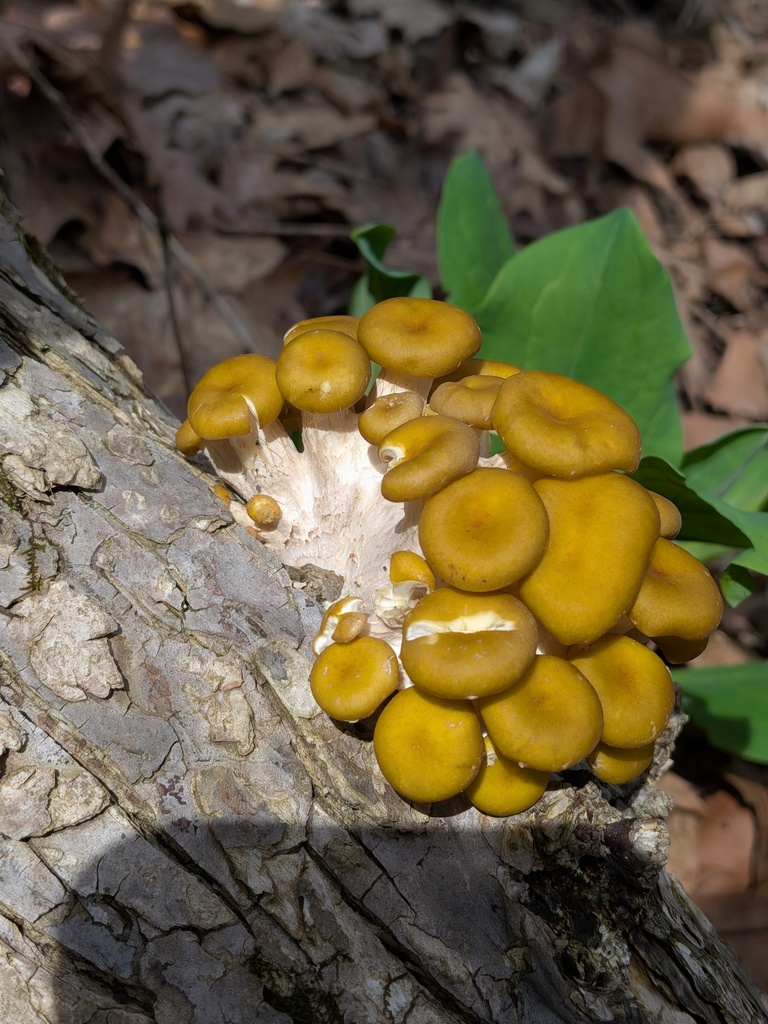
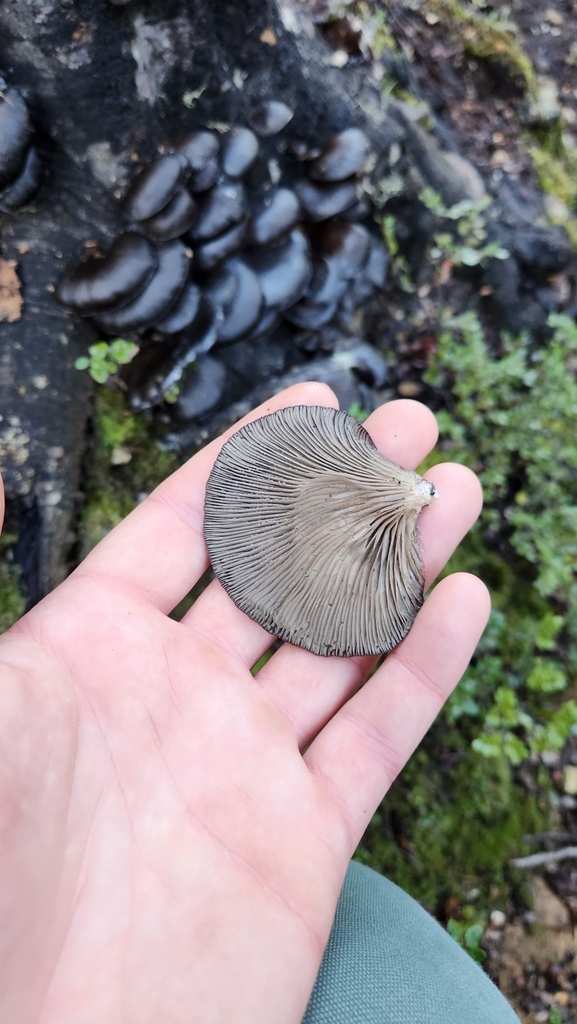
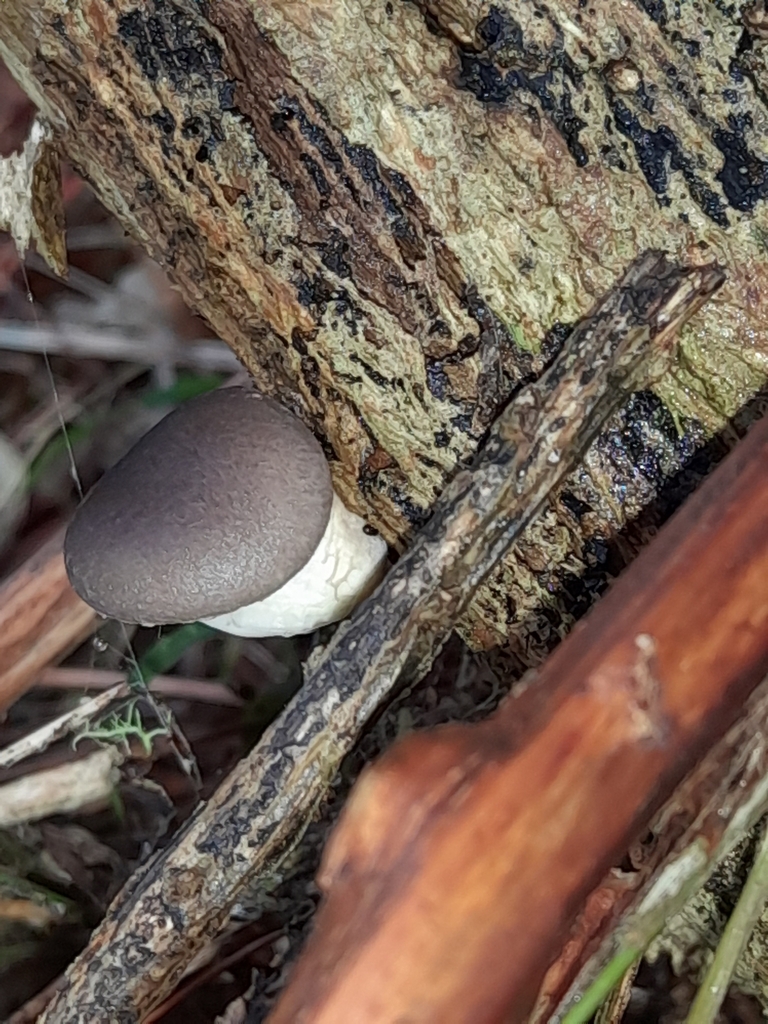
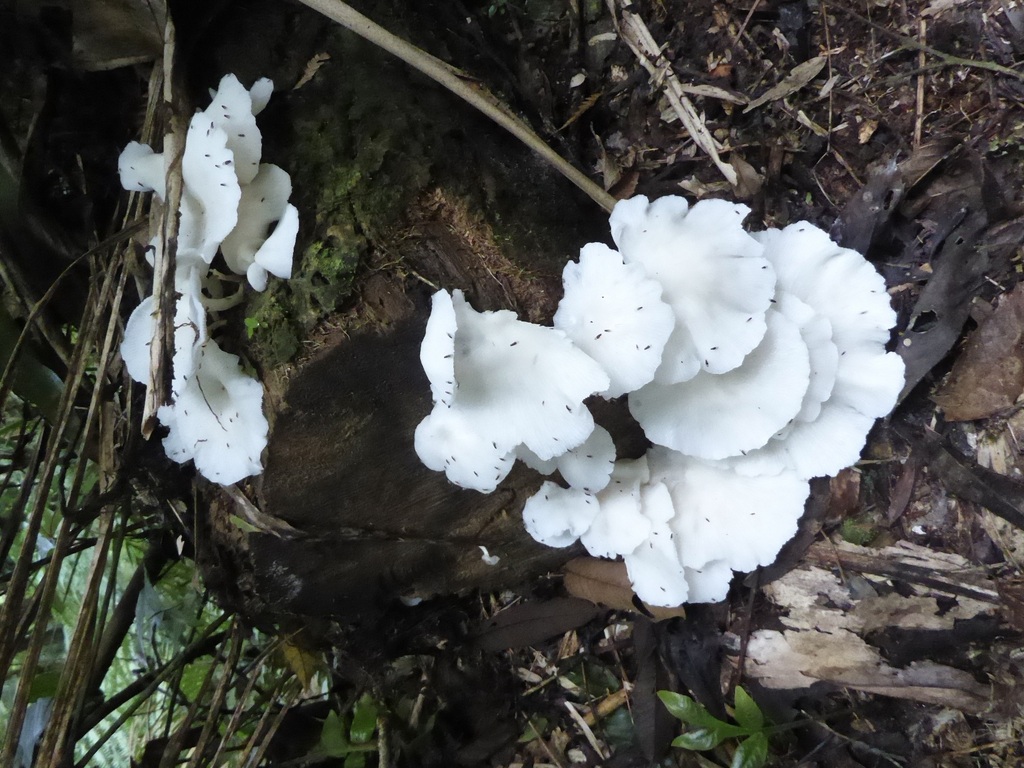
The genus Pleurotus includes multiple species and varieties commonly grouped under the label 'oyster mushroom,' but each has distinct growing requirements. Blue oyster (Pleurotus ostreatus var. columbinus) is the most cold-tolerant, fruiting best at 10 to 18 degrees Celsius (50 to 65 degrees Fahrenheit) and stalling in warm rooms above 24 degrees Celsius. Pearl oyster (Pleurotus ostreatus) is the classic temperate species, performing well at 15 to 24 degrees Celsius. Pink oyster (Pleurotus djamor) is a tropical species requiring temperatures above 18 degrees Celsius (65 degrees Fahrenheit), ideally 21 to 30 degrees Celsius, and will abort pins rapidly if exposed to cold drafts or nighttime temperatures below 15 degrees Celsius. Golden oyster (Pleurotus citrinopileatus) also prefers warm conditions at 21 to 29 degrees Celsius and is more fragile than other varieties. Phoenix oyster (Pleurotus pulmonarius) is the most heat-tolerant temperate variety, performing well in summer when blue and pearl oysters struggle.
The CO2 Sensitivity Problem
Oyster morphology is strongly affected by air exchange. Cornell's specialty-mushroom guidance notes that high CO2 can accompany long stems and small caps and uses below 800 ppm as a commercial-room target for oysters. Treat that as a starting reference, not a universal diagnosis: cultivar, temperature, humidity, room sampling and sensor placement matter. Increase ventilation cautiously because additional air can also lower humidity, and compare the response in the grow timeline.
Diagnosing Yellow and Brown Caps
Yellowing or browning of oyster mushroom caps can indicate several different issues. If the caps turn yellow uniformly while still growing, the most common cause is direct light exposure (especially direct sunlight or grow lights that are too close). Oyster mushrooms need only indirect ambient light — a nearby window or low-wattage bulb for 12 hours is sufficient. If the cap edges specifically turn brown and dry, humidity is too low — increase misting frequency or improve your humidity chamber. If yellow-brown spots appear with a slimy or wet texture, this indicates bacterial blotch, often caused by water pooling on the caps from overly aggressive misting. The solution is to mist the air around the mushrooms rather than spraying them directly, and ensure good airflow so the cap surfaces dry slightly between mistings.
Side Pinning and How to Prevent It
Side pinning — where mushrooms grow from the sides or bottom of the bag rather than from the intended opening — is one of the most frustrating oyster mushroom problems. It occurs because oyster mushrooms seek out any microclimate that offers the right balance of humidity, fresh air, and light. If the opening you cut in the bag does not provide better conditions than the gaps between the substrate and bag wall, the mycelium will initiate pins wherever conditions are most favourable. To prevent side pinning: line the inside of your bags or bins with a black plastic liner (garbage bag works well), which blocks light from reaching the sides and bottom. Ensure your cut openings are generous (5 to 8 centimetre X-cuts or full cross-sections). Position the opening toward the light source. Maintain high humidity specifically at the opening. If side pins do form, you can either let them grow (they produce perfectly good mushrooms) or peel back the bag to give them room.
Oyster Mushroom Substrate Options Ranked
Oyster mushrooms are the most versatile species when it comes to substrate selection. In order of yield potential: Masters Mix (50/50 hardwood pellets and soy hull pellets) produces the highest yields at 100 to 150 percent biological efficiency but requires pressure sterilization. Supplemented hardwood sawdust (hardwood pellets with 10 to 15 percent wheat bran) achieves 80 to 120 percent BE and also requires sterilization. Pasteurized straw is the classic low-tech option, yielding 75 to 100 percent BE — it does not require a pressure cooker and can be pasteurized by soaking in hot water (65 to 82 degrees Celsius for 1 to 2 hours) or cold water with hydrated lime. Coffee grounds can be used fresh (within 24 hours of brewing) without sterilization but yield only 50 to 75 percent BE and contaminate easily. Cardboard works for small experimental grows but yields are low.
Maximizing Oyster Mushroom Flushes
Oyster mushrooms can produce 3 to 5 flushes from a single substrate block when managed properly. After harvesting the first flush (twist and pull the entire cluster at the base rather than cutting individual mushrooms), soak the block in cold water (2 to 10 degrees Celsius) for 8 to 12 hours. The cold water rehydrates the substrate and provides a temperature shock that triggers the next round of pinning. After soaking, drain thoroughly, return to fruiting conditions, and expect the second flush in 7 to 14 days. The second flush often produces larger individual mushrooms than the first, though the total weight is typically 60 to 70 percent of the first flush. Continue soaking and fruiting until the substrate becomes soft, crumbly, or produces only a few small mushrooms — at that point it makes excellent garden compost or worm food.
Spore Load Management
Oyster mushrooms are among the heaviest spore producers of any cultivated species. When the caps flatten and begin curling upward, they release massive quantities of white spores that settle on every surface in the growing area. In small growing spaces, this spore load can trigger respiratory irritation and allergic reactions in sensitive individuals. For indoor growers, harvest oyster mushrooms promptly when the cap edges are still slightly curled downward — do not let them fully mature and flatten. If spores have already been released, wet them down before cleaning (dry spores become airborne easily). Good air filtration and regular cleaning of the growing area are important. In commercial operations, oyster mushroom spore exposure is a recognized occupational hazard, and workers wear N95 respirators during harvest.
Common Beginner Mistakes With Oyster Mushrooms
Despite being the most forgiving species, oyster mushrooms are still frequently grown suboptimally by beginners. The top mistakes are: not providing enough FAE (resulting in fuzzy feet and small caps), cutting bag openings too small (restricting both air exchange and physical growing space), placing the grow in a warm room above 24 degrees Celsius for blue oyster (which prefers cool conditions), misting directly onto developing pins (causing bacterial blotch), neglecting to soak blocks between flushes (leaving 40 to 60 percent of potential yield unharvested), and choosing the wrong variety for their climate (growing blue oyster in a hot apartment or pink oyster in an unheated garage). Match your variety to your temperature, provide aggressive FAE, and maintain 85 to 95 percent humidity, and oyster mushrooms will reward you generously.
Sources and further reading
What You Get
See It In Action

Real photos from the community
Commercial-use Creative Commons photos from Mushroom Observer.


Frequently Asked Questions
Related Topics
Put this guide into practice
Keep a useful record while the details are fresh.
Your records stay useful on their own; AI help is optional.
Start with a photo. No account needed until you want to save or publish your record.