Mushroom Grow Kit Not Working — Troubleshooting
Record when you opened the kit, add quick progress photos, and keep every adjustment connected. If nothing happens, you can troubleshoot from its actual history instead of memory.
Start with a photo. No account needed until you want to save or publish your record.
Use Dr. MycoTek alongside your kit
Turn vague instructions into a visible timeline
- 01
Start
Record the species, kit and opening date.
- 02
Watch
Add a photo when the surface or stage changes.
- 03
Adjust
Note misting, placement or airflow changes.
- 04
Harvest
Record each flush and what you would repeat.
Or jump into the live tools
© pintail (iNaturalist, cc-by)
The Most Common Grow Kit Problems
Mushroom grow kits are marketed as easy and foolproof, but a significant percentage of kit buyers run into problems. The most common issue by far is no fruiting — the kit just sits there doing nothing. This is almost always caused by insufficient humidity, the wrong temperature, or both. Other frequent problems include drying out (the substrate surface becomes cracked and leathery), contamination (green, black, or orange spots appearing), and tiny or deformed mushrooms (usually a sign of low fresh air exchange). The good news is that most of these problems have simple fixes that do not require any special equipment.
Proper Kit Setup: Location, Humidity, Temperature, and Light
Where you place your kit matters more than most instructions explain. Avoid direct sunlight, heating vents, and drafty windowsills. The ideal spot has indirect natural light, stable temperatures between 15 and 21 degrees Celsius for most species, and some protection from dry air. Kitchens and bathrooms can work well because of higher ambient humidity, but avoid placing kits near stoves or ovens. The substrate needs consistent moisture at the surface — not soaking wet, but never bone dry. A simple humidity tent made from a clear plastic bag with holes punched in it can dramatically improve your success rate by maintaining 85 to 95 percent relative humidity around the kit.
Misting Technique: How Much, How Often, and What Kind of Spray
Misting is the most misunderstood aspect of grow kit care. The goal is not to soak the substrate — it is to maintain a fine layer of moisture on the surface and raise the ambient humidity around the kit. Use a fine mist spray bottle (the kind used for hair or plants) and spray 4 to 6 pumps around and above the kit, letting the mist settle. Do this 2 to 3 times per day, or more often if your environment is dry. Never spray directly onto developing pins or young mushrooms at close range, as this can damage them. If you are using a humidity tent, mist the inside walls of the tent rather than the kit directly. The substrate surface should look slightly glistening, never pooling with water.
When to Harvest Your Mushrooms
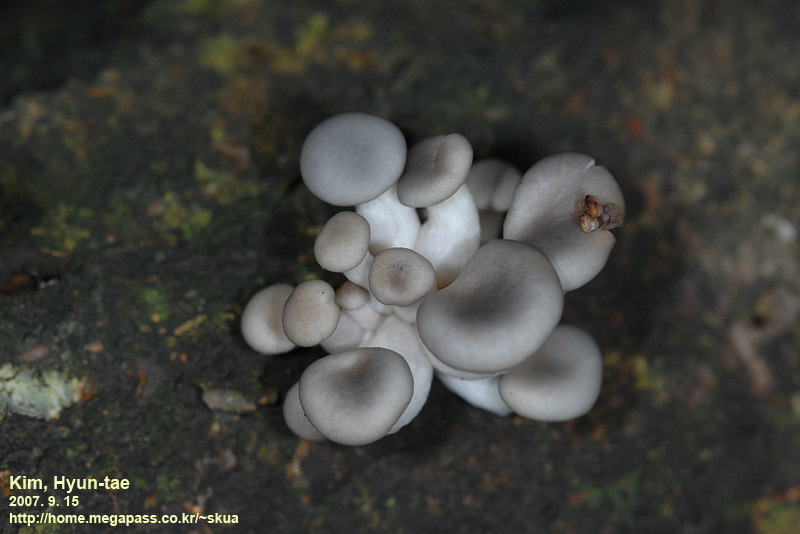
Most kit instructions are vague about harvest timing, but it matters for both flavour and future flushes. For oyster mushrooms, harvest when the cap edges begin to flatten out and turn slightly upward — just before they start to curl. For lion's mane, harvest when the spines are about 1 centimetre long and before the mushroom starts to yellow. For shiitake, harvest when the caps are about 70 percent open with the edges still slightly rolled under. Twist and pull mushrooms gently at the base rather than cutting, as leftover stumps can invite contamination. Harvest the entire cluster at once, even if some are smaller, to give the block a clean start for the next flush.
Getting Second and Third Flushes
One of the best-kept secrets of grow kits is that most can produce two to four harvests (called flushes) from a single block. After your first harvest, soak the entire block in cold water for 6 to 12 hours to rehydrate it. Some growers submerge the block in a container of water with a plate on top to keep it submerged. After soaking, drain it thoroughly and return it to fruiting conditions. The second flush typically appears within 7 to 14 days and can be nearly as productive as the first. Third and fourth flushes tend to be smaller but are still worthwhile. Between flushes, keep the block in a cool, dark place to rest for a day or two before resuming misting.
What to Do If Nothing Happens After 2 Weeks
If your kit has been set up for 2 weeks with no signs of pins, run through this diagnostic checklist: Is the humidity above 80 percent? (Use a cheap hygrometer to check — most kitchens are only 30 to 50 percent.) Is the temperature within range for your species? (Oysters: 15 to 21 degrees Celsius, Lion's mane: 18 to 24 degrees, Shiitake: 12 to 18 degrees for fruiting.) Is there indirect light for at least 8 hours a day? Does the substrate surface look healthy (white, not discoloured)? If all conditions check out, try a cold shock: place the kit in the fridge for 12 to 24 hours, then return it to fruiting conditions. This temperature drop often triggers pinning.
Why Temperature Matters More Than People Think
Temperature is arguably the most important environmental factor for mushroom fruiting, yet it is the one most kit users overlook. Many popular species require a temperature DROP from colonization temperature to initiate pinning. Oyster mushrooms, for example, colonize well at 20 to 24 degrees Celsius but fruit best at 13 to 18 degrees. If your home is consistently warm (above 22 degrees), your kit may colonize beautifully but never produce mushrooms. Night-time temperature drops can sometimes provide enough stimulus, so placing the kit in a cooler room or near a window that gets cool at night can help. In summer, a basement or air-conditioned room is often the best location.
When to Contact the Supplier vs. When Dr. MycoTek Can Help
Contact the kit supplier when: the block arrives visibly contaminated (green, black, or orange mold present on arrival), the block is completely dry and cracked when you receive it, or nothing happens after 3 to 4 weeks despite optimal conditions. Most reputable suppliers will replace defective kits free of charge. Use Dr. MycoTek when: you are unsure whether your conditions are correct, you need help diagnosing why your kit is not fruiting, you want to troubleshoot a specific symptom like small mushrooms or yellow discolouration, or you need guidance on getting additional flushes. Dr. MycoTek can provide species-specific advice instantly, whereas supplier support may take days to respond.
What You Get
See It In Action

Real photos from the community
Commercial-use Creative Commons photos from Mushroom Observer.


Frequently Asked Questions
Related Topics
Put this guide into practice
Keep a useful record while the details are fresh.
Your records stay useful on their own; AI help is optional.
Start with a photo. No account needed until you want to save or publish your record.